

Description
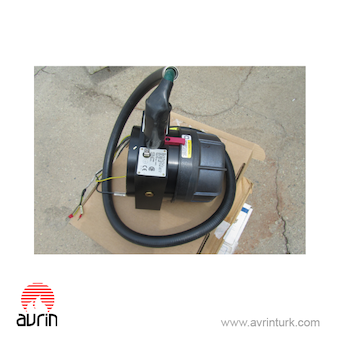
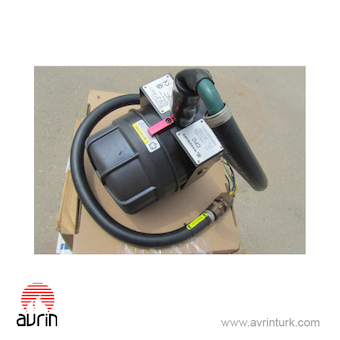
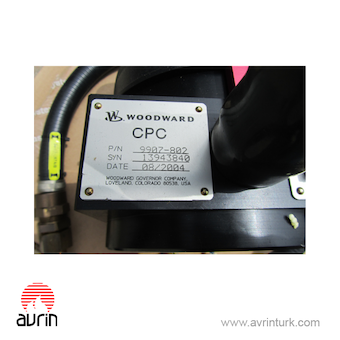
The Woodward CPC (Current-to-Pressure Converter), model 9907-802, is engineered to supply a stable hydraulic control pressure directly proportional to an input current signal (typically 4–20 mA). It is commonly used in applications such as positioning steam/fuel valves or other servo systems in power plants, turbines, or industrial control circuits. Scribd+1
This model helps bridge the electronic control domain (DCS, PLC, or control loops) with hydraulic actuation systems, offering precise flow or pressure modulation based on current signals.
Key Features & Specifications
| Feature | Specification / Description |
|---|---|
| Part Number / Model | Woodward CPC, P/N 9907-802 Scribd+1 |
| Function | Current → Pressure converter (electro-hydraulic regulator) Scribd+1 |
| Input Signal | 4–20 mA (standard control input) Scribd |
| Output | Hydraulic pressure proportional to input current (converted pressure) Woodward+2Scribd+2 |
| Mounting / Interface | Manifold-mounted housing, flat surface with hydraulic ports for supply, control, drain Scribd+1 |
| Internal Mechanism | Rotary limited-angle actuator, internal valve, pressure sensor, signal conditioning circuitry Scribd+1 |
| Construction | Cast-aluminum housing, anodized finish, includes cable gland, hydraulic ports, mounting interface Scribd+1 |
| Alarm / Fault Detection | Onboard relay to flag over/under output conditions or internal faults Scribd+1 |
| Calibration / Adjustments | Includes potentiometers for signal range, pressure-level adjustment, dither, etc. Scribd |
| Environmental Range | Ambient temperature, oil temperature, vibration, humidity specs per Woodward manual Scribd+1 |
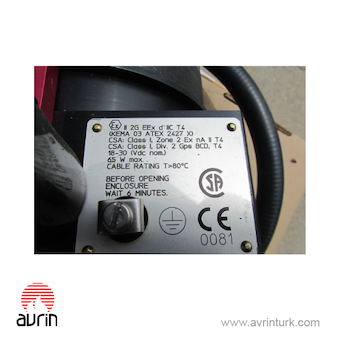
| Ingress Protection | Rated for protection against dust and spray per applicable IP rating (check manual) Scribd+1 |
Applications
-
Turbine / generator control: positioning steam or fuel valves
-
Automation systems requiring conversion of electronic signal (4–20 mA) to hydraulic actuation
-
Engine control systems and flow regulation
-
Industrial servo systems and valve actuation
Benefits
-
Provides a robust interface between electronic controls and hydraulic actuators
-
Ensures smooth and proportional pressure response to input current
-
Built-in diagnostics and relay for fault detection
-
Serviceable and adjustable for calibration and tuning
-
Designed for reliability and stable operation in industrial environments


Reviews
There are no reviews yet.